DAN and Dive Insurance: Why Every Diver Should Have It
Nobody books a dive trip planning to get hurt, and serious dive accidents are rare. When something does go wrong, though, it usually happens far from home, and the bills can be huge. That’s why we ask every diver who comes to Sandy Bay Divers the same question before they get on the boat: do you have dive insurance?
What Is DAN?
Divers Alert Network (DAN) is a non-profit organisation dedicated to diver safety. It runs a 24-hour emergency hotline for divers, offers memberships and dive accident insurance, and funds research into safer diving. DAN has regional organisations around the world, so check dan.org to find the one that covers where you live.
Why Ordinary Travel Insurance Often Isn’t Enough
Many standard travel insurance policies exclude scuba diving or only cover shallow dives, often to around 10 m / 30 ft. Even policies that include diving can have depth limits or exclusions you only discover when you make a claim. Read the small print, and if diving isn’t clearly covered to the depth you’ll dive, you aren’t covered.
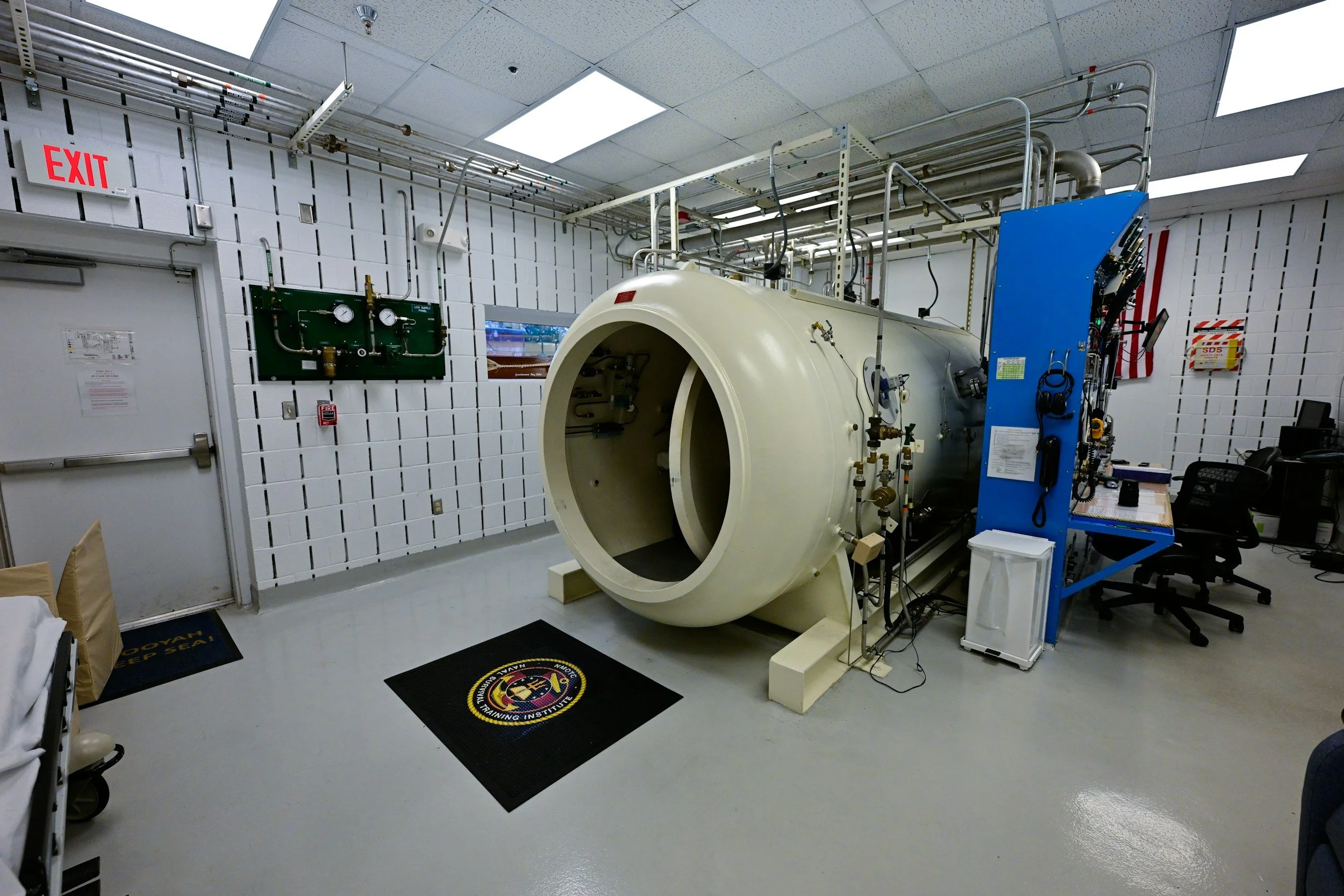
A hyperbaric chamber used to treat decompression sickness
What a Dive Emergency Can Cost
The most common serious dive injury is decompression sickness, and the treatment is time in a hyperbaric chamber. Here on Roatán the chamber is at Anthony’s Key Resort, a short drive from Sandy Bay. Treatment can run to thousands of dollars per session, and some divers need several sessions. If you need to be flown home or to a larger hospital, an air ambulance from the Caribbean can cost tens of thousands of dollars.
What DAN Offers
DAN offers two things, and it’s worth knowing the difference.
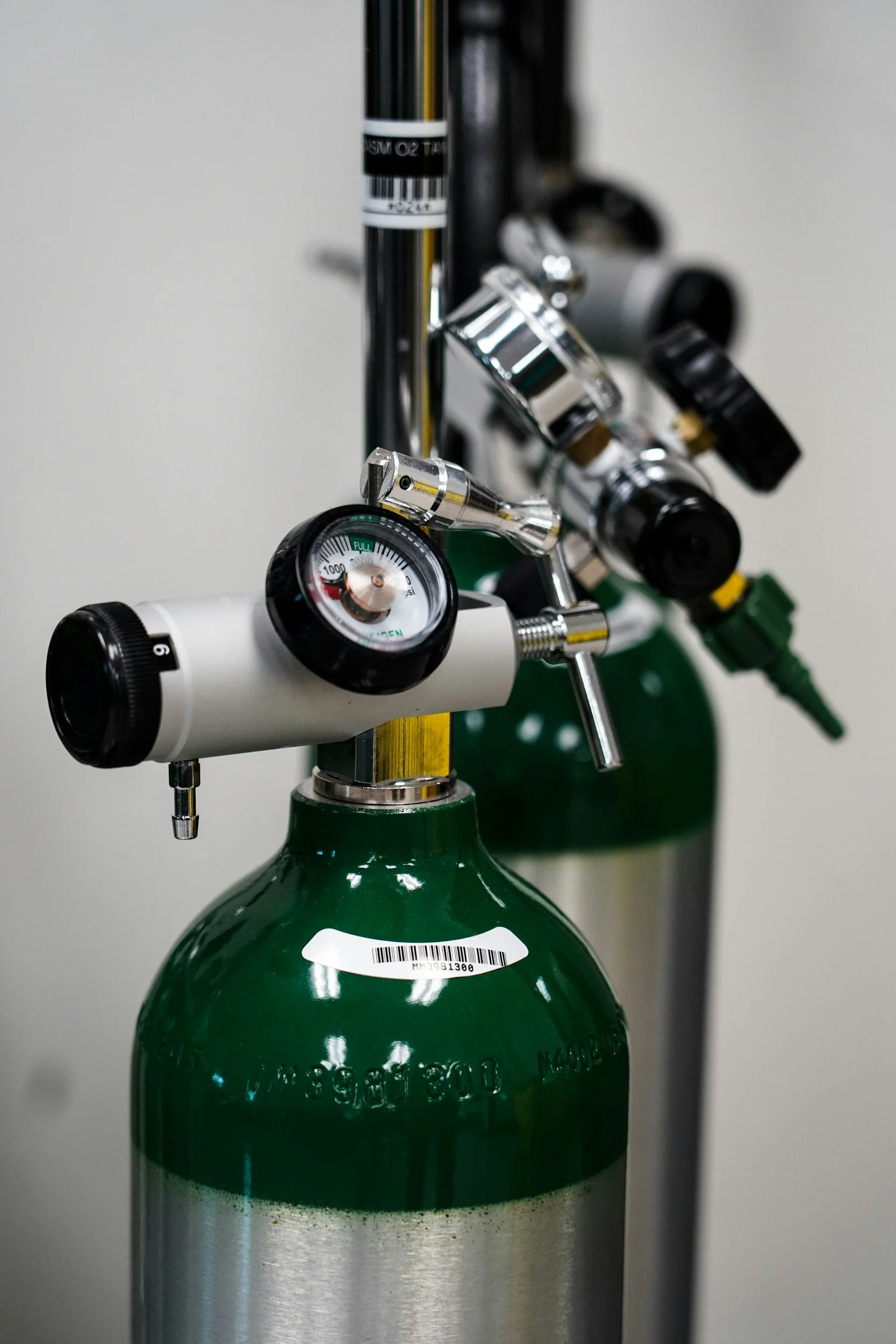
An emergency oxygen kit, standard equipment for responding to dive injuries
DAN Membership
The 24/7 DAN Emergency Hotline, staffed by doctors, nurses and paramedics who help coordinate your care and any evacuation.
Emergency medical transportation to the nearest appropriate medical facility when you’re more than 50 miles from home. Membership levels cover different amounts, with higher levels adding benefits such as getting you home afterwards.
Dive safety information and DAN’s member magazine.
DAN Dive Accident Insurance
Membership on its own doesn’t pay your medical bills. For that you add a dive accident insurance plan, which helps cover hyperbaric chamber treatment, hospital and doctors’ charges, and emergency transport after a dive injury. DAN offers several plan levels.
Memberships currently start at about US$40 a year, with plans and prices varying by region. That’s less than the price of one fun dive, for a year of DAN membership.
Plans, prices and benefits change, so always check the current details on dan.org before you buy. This post is general information, not insurance advice.
Other Options
DAN isn’t the only choice. Some travel insurers sell plans or add-ons that specifically include scuba diving, and some dive training agencies offer their own cover. Whatever you choose, check three things:
Does it cover recreational scuba diving to the depths you’ll dive?
Does it include hyperbaric chamber treatment?
Does it include emergency evacuation from Honduras?
Our Advisory Reminder
At Sandy Bay Divers we strongly recommend that every diver has dive-specific insurance, such as DAN, before diving with us. Here’s what we ask:
Arrange it before you travel. Cover usually needs to be in place before your first dive.
Tell us at check-in. Our check-in form asks whether you have dive insurance.
Bring your details. Have your policy number and the emergency phone number saved on your phone, so the crew can act fast if needed.
Students too. If you’re taking a course, the same advice applies to you.
Safety comes first on every dive we run. Insurance is the last line of protection: you hope you’ll never use it, but you’ll be very glad to have it if you do.
Questions?
If you’re not sure whether your cover is enough, send us a message before your trip and we’ll tell you what to look for.
Ready to dive with peace of mind? Book your dives, contact us with any questions, or find out about getting to Sandy Bay.